
Activated Carbon for Pharmaceutical Industry: Stop Impurities
In the world of making medicine, keeping every batch pure is a top rule. Activated carbon for the pharmaceutical industry acts as a strong shield against tiny wastes. Engineers must…
Wednesday, 01 Apr 2026
Activated Carbon for Pharmaceutical Industry: Stop Impurities
In the world of making medicine, keeping every batch pure is a top rule. Activated carbon for the pharmaceutical industry acts as a strong shield against tiny wastes.
Engineers must remove bad colors and germs without hurting the drug. High-purity carbon helps every batch meet the strict global safety standards.
This guide shows how the right carbon saves time and lowers risk. Our team at First Molecule helps you pass audits and keep your drugs safe. We focus on batch success to help you meet your manufacturing goals every day.
Activated carbon for the pharmaceutical industry is a high-purity filter for medicine. It cleans liquid drugs to keep patients safe from harm.
In activated carbon in pharma manufacturing systems, the surface traps bad particles. This uses adsorption kinetics in pharmaceutical filtration to pull out toxins.
This cleaning step stops bad chemicals from leaking into your product. Understand the basics of The Evolving World of Pharmaceuticals by reading our latest report.
First Molecule makes these filters to solve your purity problems. We focus on batch success to help you pass audits.
USP compliance defines the purity of Activated Carbon for the Pharmaceutical Industry. It ensures the carbon does not leak harmful chemicals into your medicine.
Pharmaceutical-grade activated carbon standards require low ash and neutral pH. These rules keep your drug batches safe and consistent every single time.
| Quality Metric | USP/EP Requirement | Purpose |
| Ash Content | Less than 7% | Prevents mineral leaching |
| pH Level | 5.0 to 8.0 | Ensures chemical stability |
| Moisture | Less than 10% | Maintains adsorption power |
These metrics confirm that carbon is one of the safe excipients and additives in pharmaceuticals. High purity protects your batch from failing strict audits.
We follow these strict rules to help you avoid batch contamination. Read our guide on Quality Control in Food & Beverage: Ensuring Safety and Compliance for more context. First Molecule tests every lot to meet global pharma standards. We provide the data you need for total peace of mind.
Decolorization works by trapping color molecules in a carbon net. This step is key for activated carbon for the pharmaceutical industry in drug making.
An effective activated carbon for drug purification processes uses the right pore size. Large pores catch heavy color bits to keep the liquid clear.
Small pores handle the removal of organic impurities in drugs. This tiny precision keeps your final product safe for every patient.
We use special decolorizing agents in pharmaceutical processing for sensitive drugs. This niche way stops batch errors and keeps your costs low.
Our carbon provides a strong surface to pull out toxins. Read our guide on A Powerful Filtration Solution: Granular Activated Carbon (GAC) to learn more.
First Molecule helps you reach USP goals with custom carbon. We build trust through data and good batch results.
Picking the right carbon grade depends on your filtration goal. Activated carbon for the pharmaceutical industry comes in two main forms for your process.
High-purity activated carbon pharma applications use either powder or granules. Your choice affects how fast you can clean each drug batch.
Fine powder activated carbon for injectable drugs ensures the highest safety. It removes tiny germs to meet the tightest medical rules.
Proper filtration and purification in the pharma industry saves you money. Check out our wide range of Applications for more context.
First Molecule helps you pick the best form for your needs. We focus on technical data to ensure your success.
It acts as a precision filter for high-purity activated carbon for API purification and decolorization. This material pulls out organic waste, leftover catalysts, and bad smells from liquid drug mixes.
Yes, if it meets high purity activated carbon for API purification and decolorization rules. Labs use it to clean batches, and doctors use it in emergencies to trap swallowed poisons.
It works through high-purity activated carbon for API purification and decolorization physical steps. A hidden network of tiny pores catches waste, which keeps it away from the active medicine.
Medical grade must allow for high-purity activated carbon for API purification and decolorization. It has very low ash and meets tight USP limits for heavy metals, unlike basic carbon.
Yes, this is a trusted medical tool. It uses high-purity activated carbon for API purification and decolorization traits to bind toxins in the stomach before they can spread.
It is the best choice for high-purity activated carbon for API purification and decolorization. It targets the exact molecules that can ruin the stability and look of medical batches.
Makers use the high-purity activated carbon for API purification and decolorization in powder or grain forms. The best choice depends on your filter setup and how fast the liquid flows.
High-quality purification is vital for patient safety and batch success. You must use Activated carbon for the pharmaceutical industry that meets global rules.
Proper carbon prevents batch loss and keeps your production line moving. It acts as a mechanical shield against complex organic toxins and pyrogens.
Using steam-activated carbon for high-purity applications ensures your drug stays pure. This specific grade provides the high surface area needed for clean results.
Effective activated carbon for toxin removal in pharma protects your brand. It helps you pass strict audits from the USP and EP.
Choosing the right partner is the final step in your process. Understand the basics of How to Choose the Best Activated Carbon Supplier in India by reading our guide.
Ready to improve your purity levels? Contact First Molecule today for a technical talk on our pharma carbon solutions.
Recent blog posts

 November 10, 2026

Carbon-in-leach (CIL) and carbon-in-pulp (CIP) are the two most widely used ways to recover gold from cyanide leach slurry. Both use activated carbon to adsorb dissolved gold, and both feed the same elution and regeneration steps. The difference is where and when the carbon meets the pulp, and that choice affects plant size, recovery and […]
November 3, 2026
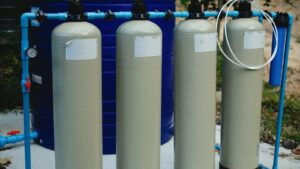
Reverse osmosis (RO) membranes are the most expensive part of most water purification and desalination systems, and they are easily damaged. An activated carbon filter in front of the RO is one of the simplest ways to protect them. This guide explains why, where the carbon goes and how to choose and run it. Why […]
November 3, 2026
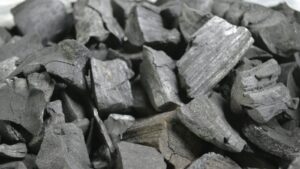
Most activated carbon is made from one of two raw materials: coconut shell or coal. Both are activated in the same way, with steam at high temperature, but they end up with different pore structures, hardness and purity. Choosing the right one can mean better results, longer carbon life and lower running costs. This guide […]


FM Support
Hi, Thanks for visiting us.
We shall assist you in fulfilling your requirement.