
Activated Carbon Price: 10 Things That Decide What You Pay
What decides the price of activated carbon: raw material, grade, form, mesh size, impregnation, quantity, packaging, testing and freight. How to compare quotes and get an accurate one.
Monday, 23 Nov 2026
Activated Carbon Price: 10 Things That Decide What You Pay
“What is the price of activated carbon per tonne?” is one of the first questions buyers ask. The honest answer is that it depends. Two carbons that look the same can differ widely in price because of what they are made from, how they are activated and how they reach your site. This guide explains what drives the price, so you can compare quotes fairly and ask for the right grade.
Activated carbon is made from coconut shell, coal or wood.
Coconut shell supply was tight in 2024 and 2025 because of weather and strong demand for coconuts in Southeast Asia, which pushed prices up. Prices were steadier in 2026, but raw material remains the biggest single cost. Read more: Coconut shell vs coal activated carbon.
Higher activity (for example a higher iodine number or CTC activity) takes longer activation and more raw material per tonne of finished carbon, so it costs more. Buy the activity your process needs, not the highest on the market.
Hard grades for gold recovery and frequently backwashed filters need selected raw material and careful activation. They cost more per tonne but often cost less per year, because less carbon is lost as fines.
See our GAC, PAC and pelletized carbon pages.
A tight mesh range such as 6×12 or 8×16 for gold, or a fine PAC grind, needs extra screening. The undersize removed during screening is a cost that is built into the price.
Impregnated activated carbon is treated with chemicals such as potassium hydroxide, sulphur or metal salts to remove gases like H2S, mercury or ammonia. Acid washing lowers ash for sensitive uses. Each treatment adds material and process cost.
Price per tonne usually falls as order size grows, from bags, to pallets, to full containers. A regular supply agreement often gives a better price than one-off orders.
Small bags, 500 kg or 1 tonne bulk bags and pallets all cost differently. Choose the packaging your site can handle; very small bags add labour and packaging cost.
A certificate of analysis comes with every batch. Extra tests, third-party inspection or food and drinking water documentation add cost, but protect you from buying the wrong grade.
Sea freight, inland transport, port charges and the delivery term (Incoterm) all change the landed cost. A quote “FOB” at the port of loading and a quote delivered to a remote mine site are very different numbers. Always compare quotes on the same terms.
The cheapest carbon per tonne is not always the cheapest to run. A softer carbon that breaks down faster, or a lower-activity grade that needs changing more often, can cost more over a year. For gold plants, every tonne of carbon lost as fines also carries gold to the tailings. Compare cost per tonne of water treated or ore processed, not only price per tonne of carbon. Read more: Activated carbon for a new CIL plant.
Send your supplier:
We supply coconut shell, coal and wood based activated carbon, including FM MAXGOLD for gold recovery, FM AQUA for water treatment and impregnated grades for gas treatment, from our Dubai office. Send us the details above and we will reply with a quote for your grade, quantity and destination. Contact us
It depends on the raw material, grade, form, quantity, packaging and delivery terms. Coconut shell and impregnated grades usually cost more than standard coal-based carbon. Send your specification and destination for an exact quote.
It is harder and has more fine pores, and coconut shell supply has been tight in recent years. For gold recovery and drinking water, its longer life often makes it cheaper per year.
Only if it meets your specification. A lower price per tonne can cost more if the carbon wears out faster or needs changing sooner.
Check that both quotes are for the same raw material, mesh size, specification, quantity, packaging and delivery term, and ask for a certificate of analysis.
Recent blog posts
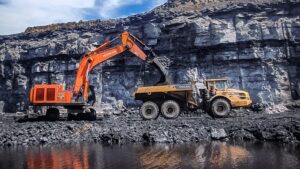
 November 23, 2026

How much activated carbon a new CIL or CIP gold plant needs: how to size the first fill, estimate make-up carbon, check incoming carbon and plan stock before first gold.
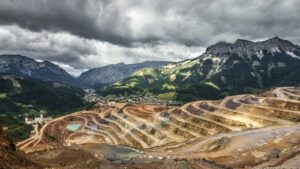
November 10, 2026
Carbon-in-leach (CIL) and carbon-in-pulp (CIP) are the two most widely used ways to recover gold from cyanide leach slurry. Both use activated carbon to adsorb dissolved gold, and both feed the same elution and regeneration steps. The difference is where and when the carbon meets the pulp, and that choice affects plant size, recovery and […]
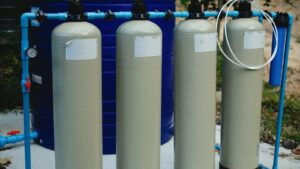
November 3, 2026
Reverse osmosis (RO) membranes are the most expensive part of most water purification and desalination systems, and they are easily damaged. An activated carbon filter in front of the RO is one of the simplest ways to protect them. This guide explains why, where the carbon goes and how to choose and run it. Why […]


FM Support
Hi, Thanks for visiting us.
We shall assist you in fulfilling your requirement.