
Coconut Shell vs Coal-Based Activated Carbon: Which One Do You Need?
Most activated carbon is made from one of two raw materials: coconut shell or coal. Both are activated in the same way, with steam at high temperature, but they end…
Coconut Shell vs Coal-Based Activated Carbon: Which One Do You Need?
Most activated carbon is made from one of two raw materials: coconut shell or coal. Both are activated in the same way, with steam at high temperature, but they end…
Tuesday, 03 Nov 2026
Coconut Shell vs Coal-Based Activated Carbon: Which One Do You Need?
Most activated carbon is made from one of two raw materials: coconut shell or coal. Both are activated in the same way, with steam at high temperature, but they end up with different pore structures, hardness and purity. Choosing the right one can mean better results, longer carbon life and lower running costs.
This guide explains the differences and helps you match the carbon to your application.
Coconut shell activated carbon starts from coconut shells, a by-product of the coconut industry. The shells are carbonised into char and then activated with steam, which opens up a dense network of very small pores.
Coal-based activated carbon is made from bituminous coal, anthracite or lignite. The coal is crushed, sometimes formed into briquettes or pellets, carbonised and steam-activated. Depending on the coal and the process, it develops a wider spread of pore sizes.
Activated carbon works by adsorption: molecules stick inside its pores. The size of the pores decides which molecules it captures best.
| Coconut shell | Coal-based | |
|---|---|---|
| Main pore type | Micropores | Micropores and mesopores |
| Best for | Small molecules, chlorine, gold recovery, drinking water | Larger organics, colour, wastewater, some gas cleaning |
| Hardness | Very high, low dust | Good, varies by grade |
| Ash content | Low | Higher |
| Raw material | Renewable by-product | Mined fossil material |
| Common forms | Granular (GAC), powdered (PAC) | Granular, powdered, pelletized |
| Reactivation | Possible | Widely used |
Wood-based carbon is a third option, with even larger pores. It is mainly used as powdered carbon for strong colour removal, for example in sugar and chemical refining.
We supply coconut shell, coal-based and wood-based activated carbon in granular (GAC), powdered (PAC) and pelletized forms, including FM MAXGOLD for gold recovery and FM AQUA for water treatment. Send us your application and water or process details, and our team will recommend a grade. Contact us.
Not always. Coconut shell is better for small molecules, hardness and low ash; coal-based carbon is often better for larger organic molecules and colour. The right choice depends on what you need to remove.
Coconut shell activated carbon, because its hardness reduces breakage and gold loss in CIL and CIP circuits. See FM MAXGOLD.
Coconut shell GAC is the usual choice for chlorine, taste and odour. Coal-based GAC is also used where natural organic matter is high.
Yes. Spent granular carbon of both types can usually be thermally reactivated and reused.
Recent blog posts
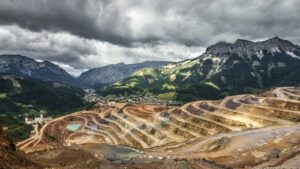
 November 10, 2026

Carbon-in-leach (CIL) and carbon-in-pulp (CIP) are the two most widely used ways to recover gold from cyanide leach slurry. Both use activated carbon to adsorb dissolved gold, and both feed the same elution and regeneration steps. The difference is where and when the carbon meets the pulp, and that choice affects plant size, recovery and […]
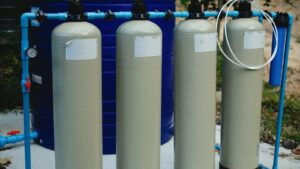
November 3, 2026
Reverse osmosis (RO) membranes are the most expensive part of most water purification and desalination systems, and they are easily damaged. An activated carbon filter in front of the RO is one of the simplest ways to protect them. This guide explains why, where the carbon goes and how to choose and run it. Why […]
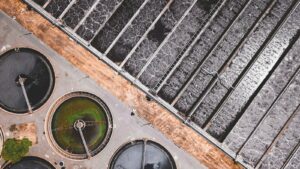
October 27, 2026
Industrial wastewater is harder to treat than sewage. It often carries chemicals that bacteria cannot break down, strong colour, and dissolved organics that keep COD (chemical oxygen demand) above discharge limits even after biological treatment. Activated carbon is one of the most effective ways to remove what the rest of the plant leaves behind. This […]


FM Support
Hi, Thanks for visiting us.
We shall assist you in fulfilling your requirement.